

Astrology is an ancient symbolic language that maps planetary movement to human psychology. It does not control your life. It reveals patterns operating within it.
Far beyond daily horoscopes, astrology provides a framework for understanding personality structure, emotional tendencies, life cycles, and developmental challenges. When approached thoughtfully, astrology becomes a reflective tool rather than a predictive shortcut.
Astrology is based on correspondence, not causation. The sky at your birth reflects a symbolic pattern that mirrors psychological tendencies. It is a map of potential, not a script of destiny.
Just as seasons influence the natural world, planetary cycles correlate with phases of expansion, contraction, maturity, and transformation in human experience.
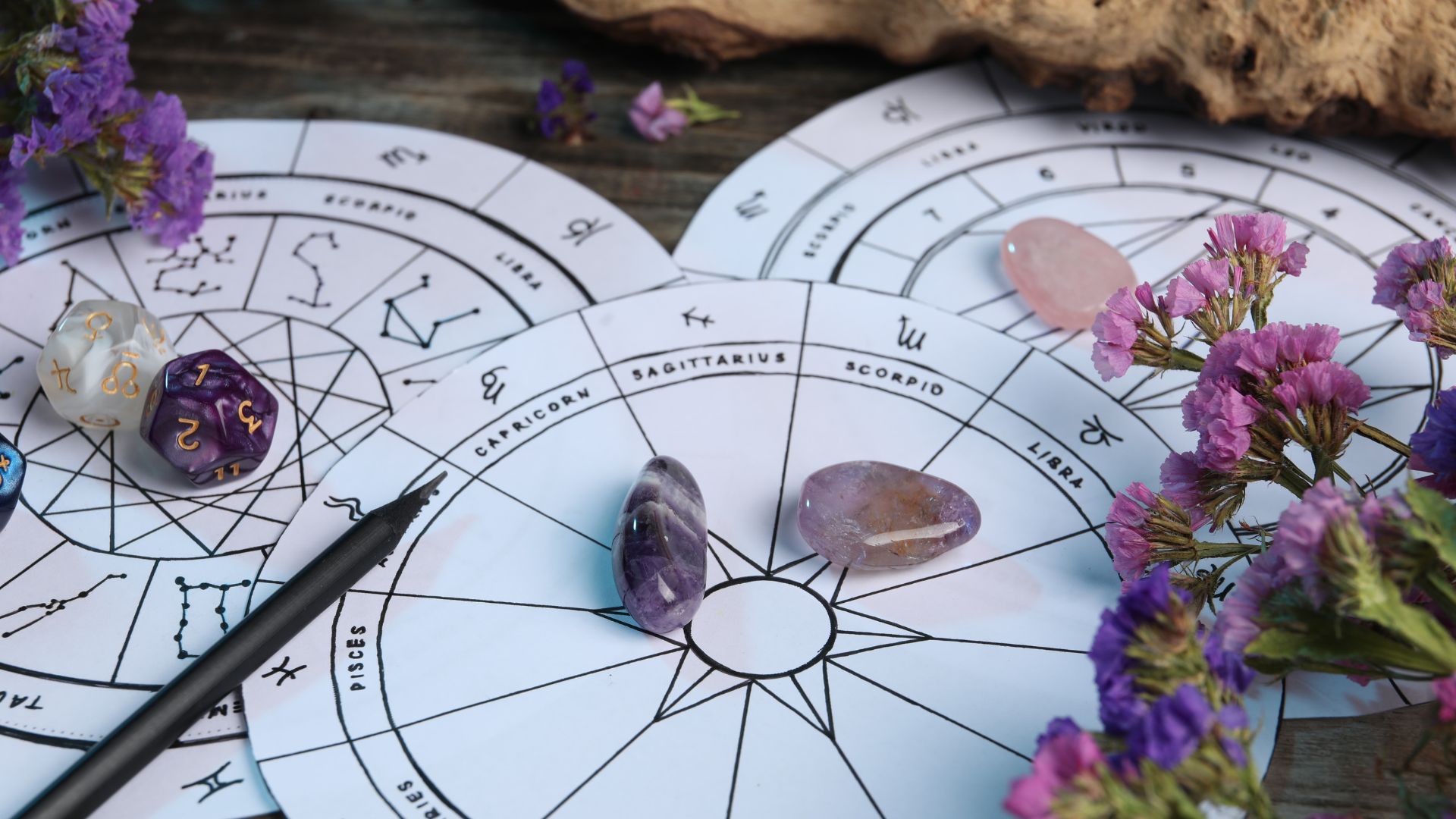
Your birth chart is calculated using your exact birth date, time, and location. It reveals how planetary archetypes were arranged at the moment you entered life.
This layered system explains why two individuals with the same Sun sign may behave completely differently. Astrology is nuanced. The entire chart matters.
Astrology is most powerful when used as a mirror. It allows you to recognize patterns without shame or self-criticism.
Instead of asking, “What will happen to me?” astrology invites a more empowering question: “How can I work with this energy consciously?”
Transits describe how current planetary movement interacts with your birth chart. These cycles often coincide with distinct life phases.
Saturn periods tend to emphasize responsibility and structure. Jupiter cycles often bring expansion and opportunity. Mercury retrograde encourages review and recalibration.
These influences do not override free will. They provide context. Awareness improves timing and decision-making.
When practiced responsibly, astrology encourages accountability rather than dependency.
Astrology does not tell you who you must become. It offers insight into who you are becoming. When used with awareness rather than superstition, it becomes a language for conscious growth, emotional maturity, and aligned decision-making.