

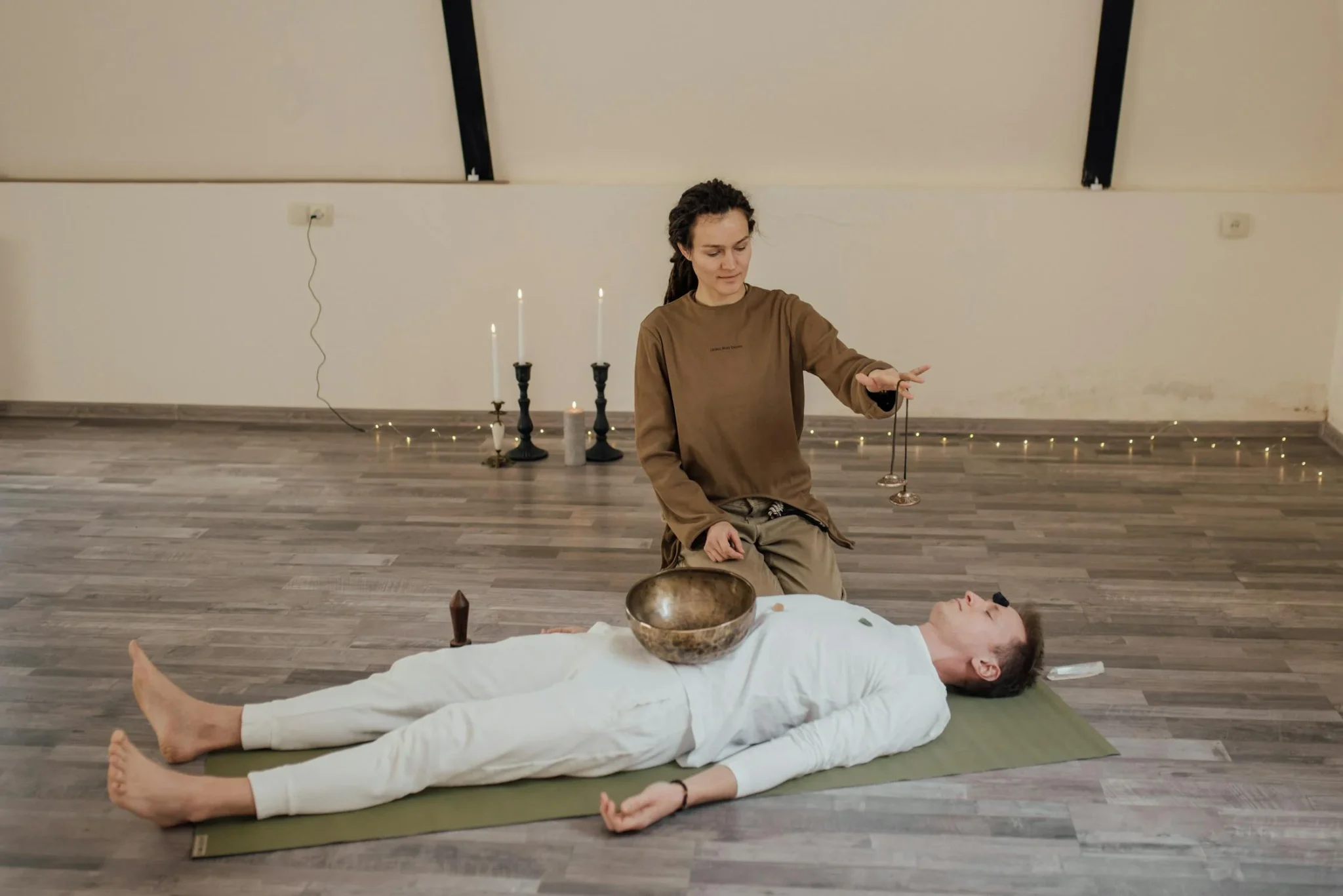
Sound healing is one of humanity’s oldest healing practices. Long before modern medicine, cultures around the world used rhythm and vibration to restore balance, calm the mind, and support emotional and physical well-being.
Today, sound healing is experiencing renewed interest as research continues exploring how sound influences the nervous system, brainwaves, and emotional states. Used mindfully, sound becomes a powerful tool for relaxation, healing, and spiritual alignment.
Sound healing, also called vibrational therapy, uses tones and frequencies to guide the body toward coherence. Every system in the body operates through rhythm — heartbeat, breath, brainwaves — and sound can support these rhythms when stress disrupts them.
Sound can help the brain shift from high-alert beta waves into calmer alpha and theta states linked to meditation, creativity, and deep rest.
Vibrational sound supports the parasympathetic nervous system, helping the body move out of fight-or-flight and into rest-and-repair.
Sound often bypasses the analytical mind. Many people experience emotional clarity, tears, relief, or a deep quieting of mental noise during sessions.

Sound healing is not about fixing what is broken. It is about restoring natural rhythm. Through vibration and mindful listening, the body remembers balance, the mind quiets, and inner stillness becomes easier to access.