




Conflict exposes what comfort conceals. The people who challenge, oppose, or trigger us often illuminate hidden wounds, unmet boundaries, and unconscious beliefs. While adversity rarely feels pleasant, it can become one of the most profound teachers on the spiritual path.
When approached with awareness instead of defensiveness, enemies become mirrors rather than obstacles. They reveal where ego contracts, where fear surfaces, and where growth is quietly waiting.
Resistance highlights what remains unresolved. Instead of asking why someone is against you, a more transformative question is: what is this situation revealing within me?
Growth does not require approval or reconciliation. It requires awareness. The moment reaction turns into reflection, transformation begins.
Many traditions teach that the true adversary is internal. Attachment, pride, fear, and ego create more suffering than any external person. Conflict merely exposes these forces.
Buddhist philosophy frames enemies as opportunities to cultivate patience. Christian teachings emphasize forgiveness as liberation. Across traditions, adversity becomes initiation.
History shows that opposition can refine clarity. Gandhi transformed oppression into disciplined nonviolence. Nelson Mandela reshaped resentment into forgiveness. They did not deny injustice. They refused to surrender their inner sovereignty.
Carl Jung described the shadow as the parts of ourselves we suppress or deny. Conflict often activates this shadow, surfacing emotional patterns that demand recognition.
When observed instead of defended, emotional triggers become gateways to integration.
Compassion does not excuse harmful behavior. It acknowledges shared humanity while maintaining firm boundaries. This balance preserves both emotional maturity and energetic clarity.
Unclear boundaries invite repeated conflict. Grounding practices, calm communication, and emotional regulation reinforce stability.
Forgiveness frees internal space. It is not approval. It is detachment from resentment.
I release this weight and reclaim my clarity.
Conflict tests emotional regulation, self-awareness, and resilience. When faced consciously, it strengthens discernment and clarifies values.
Each challenge presents a choice: react unconsciously or evolve deliberately. Over time, this choice shapes character more than comfort ever could.

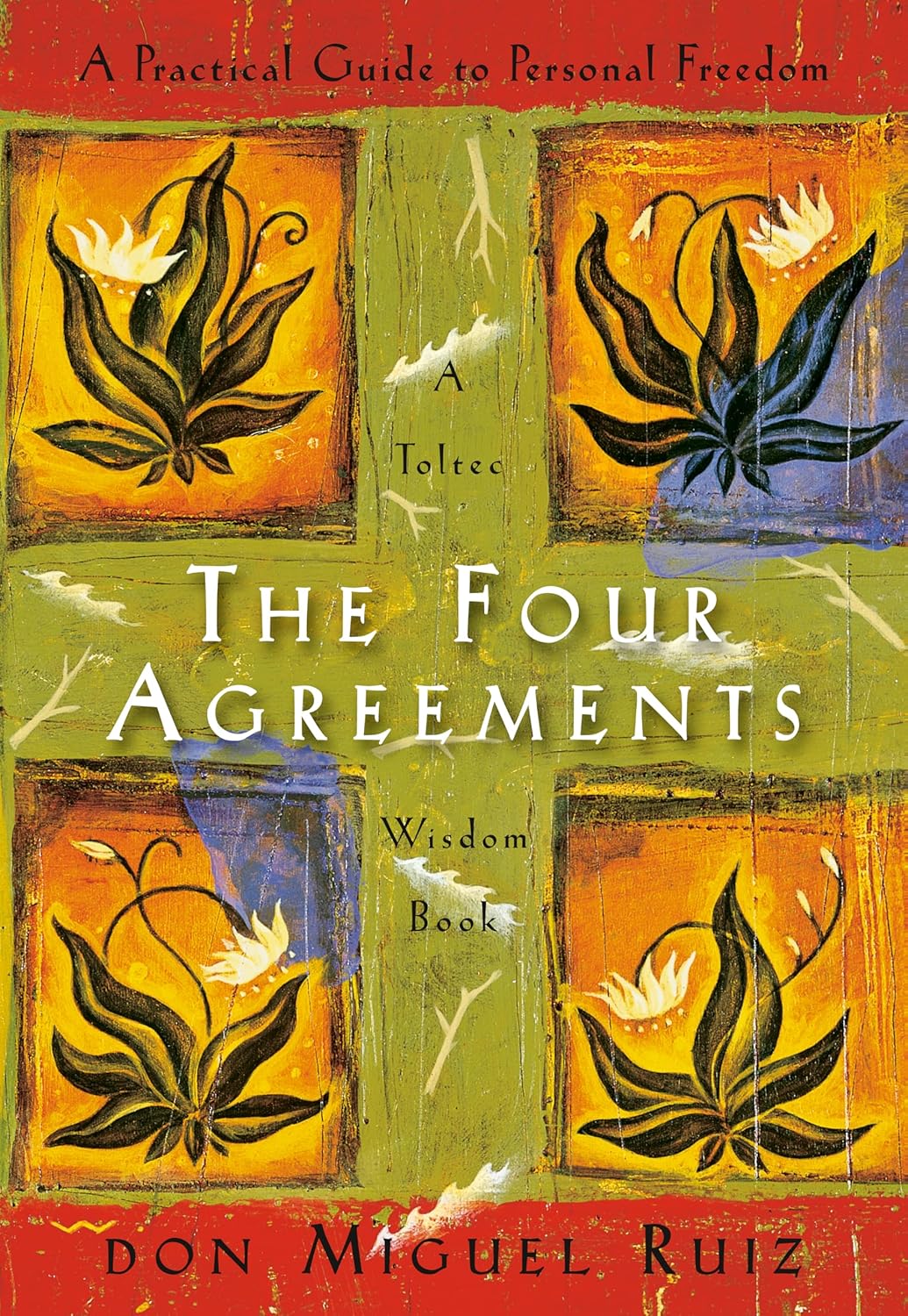

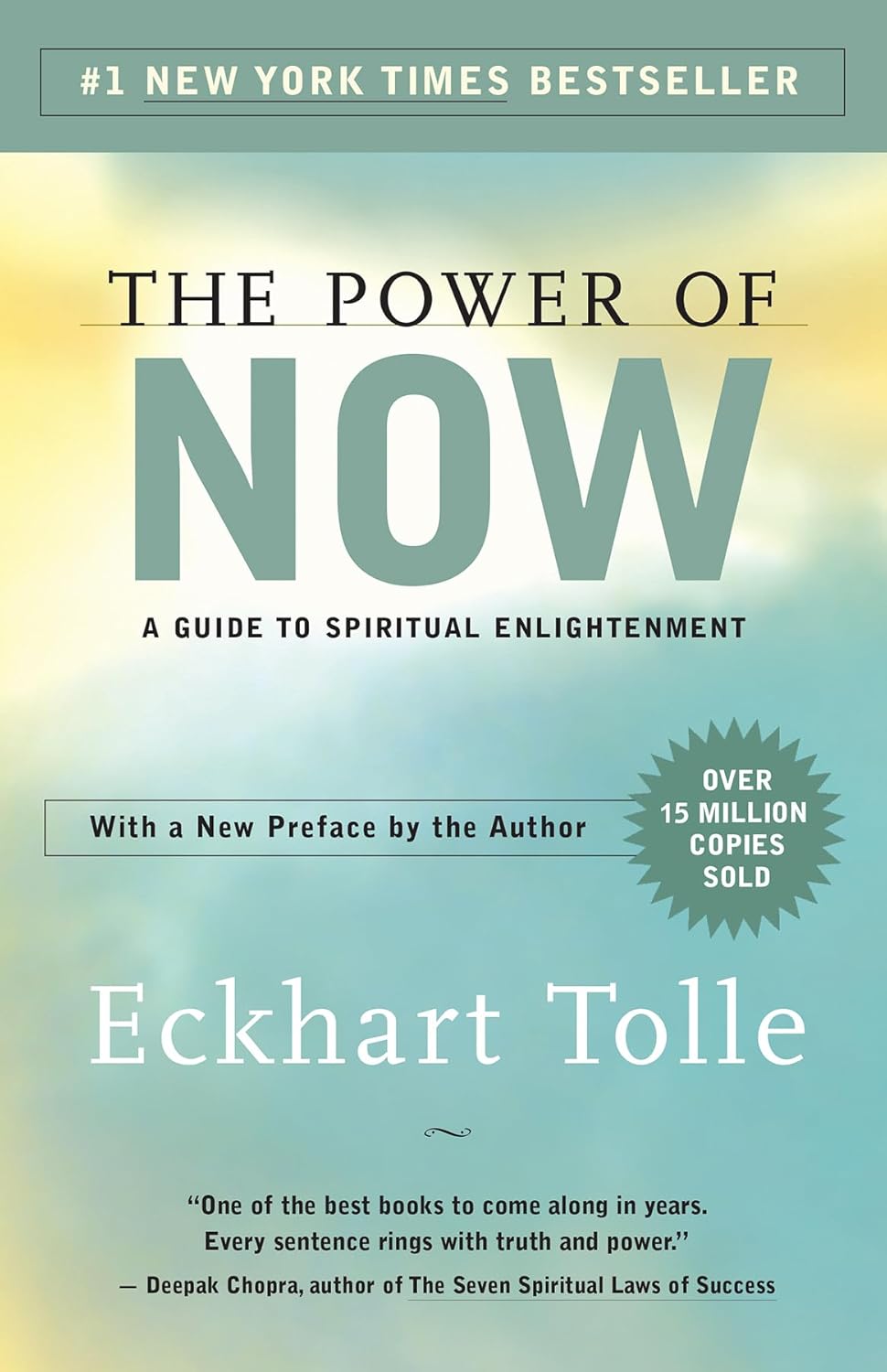

Enemies do not appear to punish us. They reveal what remains unconscious. When met with awareness rather than reaction, conflict becomes initiation.
Every challenge refines discernment. Every trigger exposes a lesson. Growth unfolds not in comfort, but in conscious response.