

Witchcraft has fascinated and frightened people for centuries. Images of secrecy, power, and ritual still shape how many view the craft. Yet modern witchcraft looks very different from historical stereotypes. Today, it is often a grounded spiritual path rooted in self-awareness, intention, and connection to nature.
For many practitioners, witchcraft is less about control and more about alignment. It combines symbolic ritual, intuitive insight, and psychological self-reflection. Crystals, herbs, and divination tools are not shortcuts to power. They are anchors for focus and intention.
At its core, witchcraft is the practice of directing intention through ritual and symbolic action. Psychologically, it helps individuals externalize inner processes. Spiritually, it strengthens connection to cycles, intuition, and subtle awareness.
Modern witches often blend ancient traditions with contemporary understanding. Many see the craft as a structured way to explore emotional patterns, personal responsibility, and energetic boundaries.
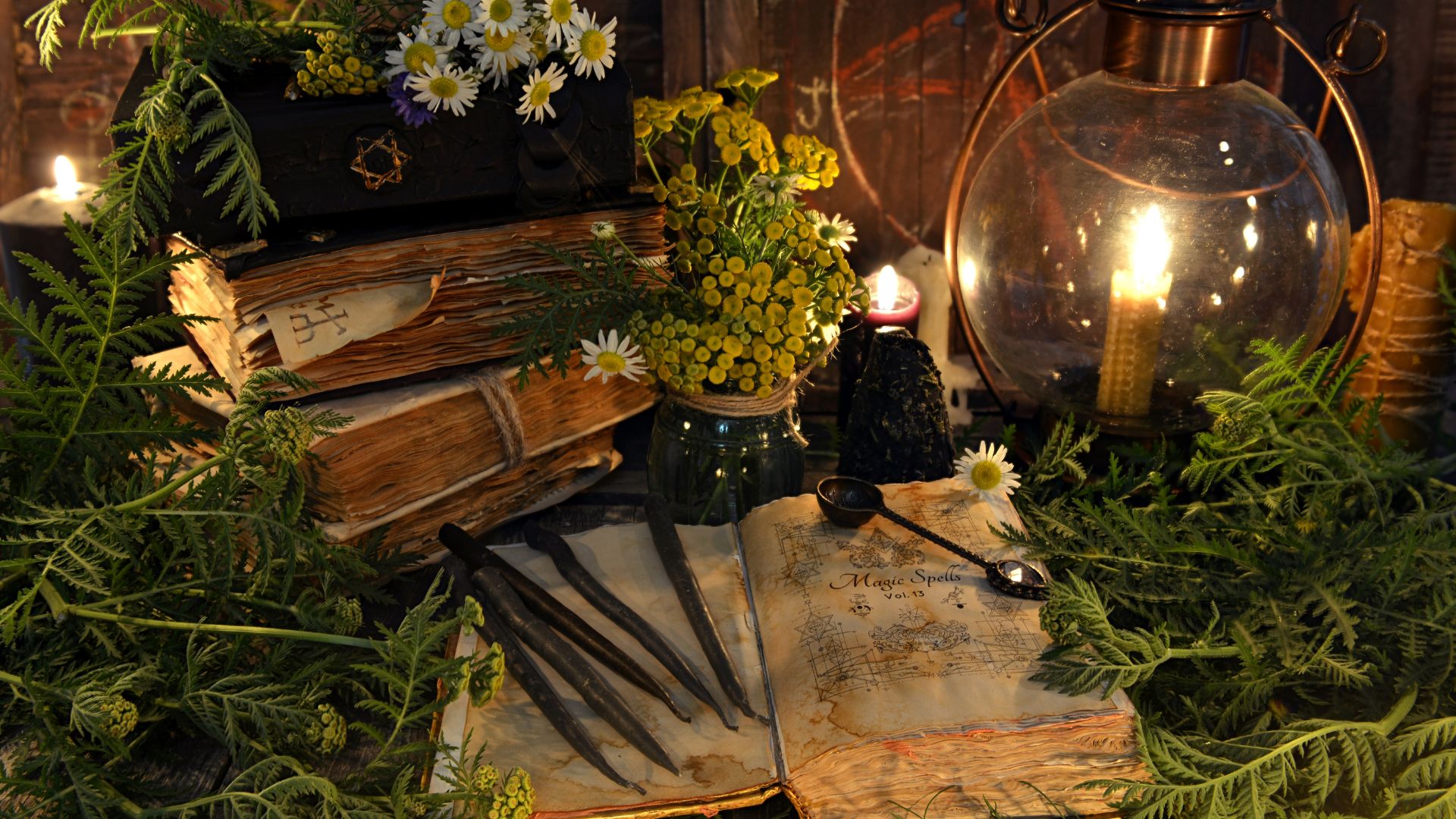
Ritual is not inherently mystical or irrational. It activates focus. When intention is paired with symbolic action, the mind integrates it more deeply. Lighting a candle for clarity or holding a crystal for grounding can strengthen internal alignment.
Rather than superstition, many rituals operate as embodied mindfulness practices. They provide structure for processing emotion and reinforcing personal agency.
Across Egypt, Greece, Rome, Celtic lands, and Babylonian cultures, ritual and magic were woven into daily life. Healers, midwives, and herbalists were respected guides. Their work supported community balance rather than fear.
During the Middle Ages, shifting religious and political forces reframed pagan traditions as threats. Accusations of witchcraft were often tools of control. This era shaped the dark stereotypes still associated with the word witch.
In the twentieth century, movements like Wicca reintroduced structured, ethical spiritual practice rooted in nature and balance. Today, witchcraft includes green witchcraft, kitchen witchcraft, eclectic traditions, and intuitive paths shaped by lived experience.
Witchcraft itself is neutral. Like any tool, its impact depends on intention and ethics. Most modern practitioners focus on protection, clarity, and emotional grounding rather than manipulation.
Harm appears when fear, control, or exploitation replace responsibility. Ethical practice never requires secrecy, urgency, or emotional pressure. A grounded practitioner encourages autonomy, not dependency.
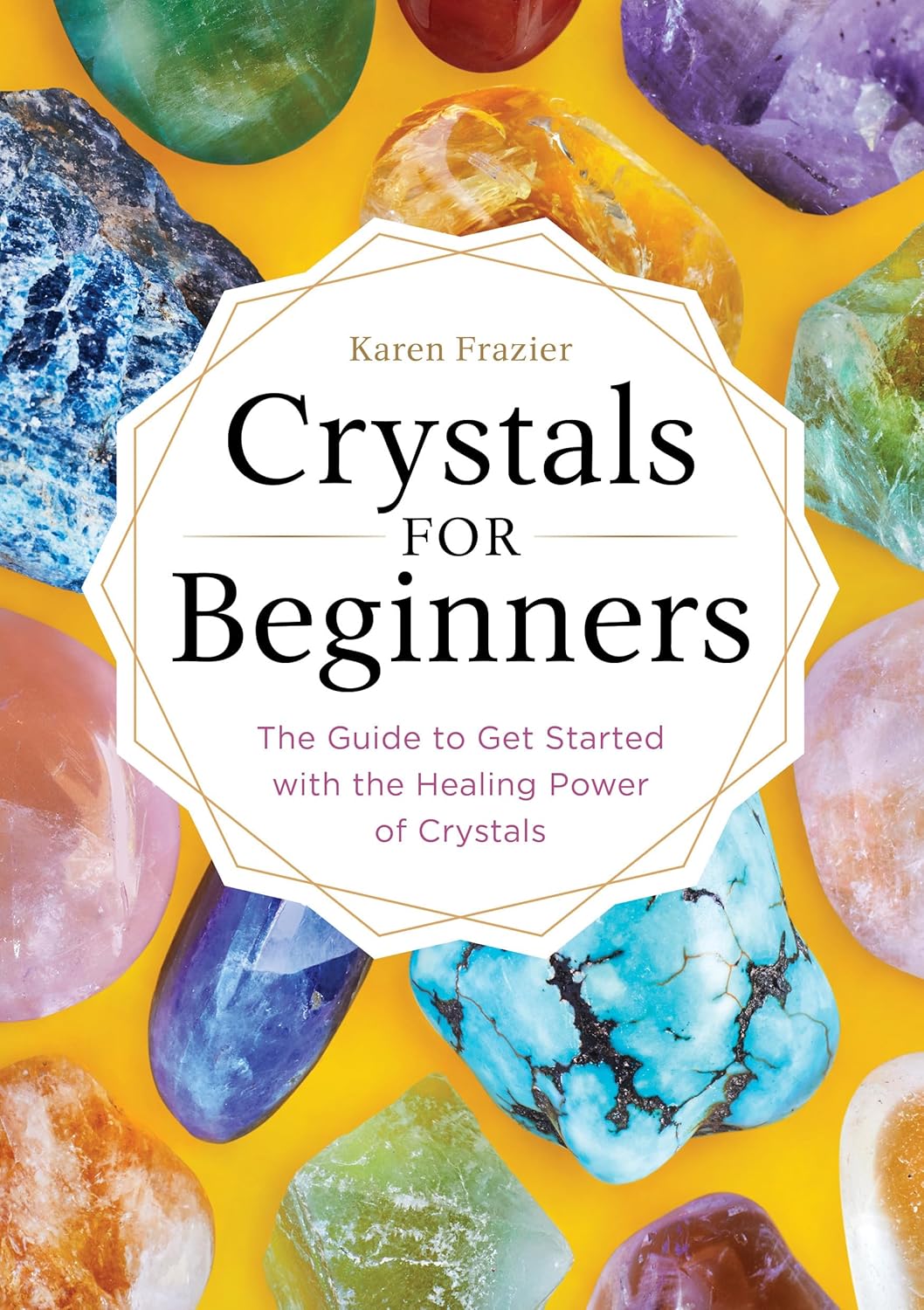
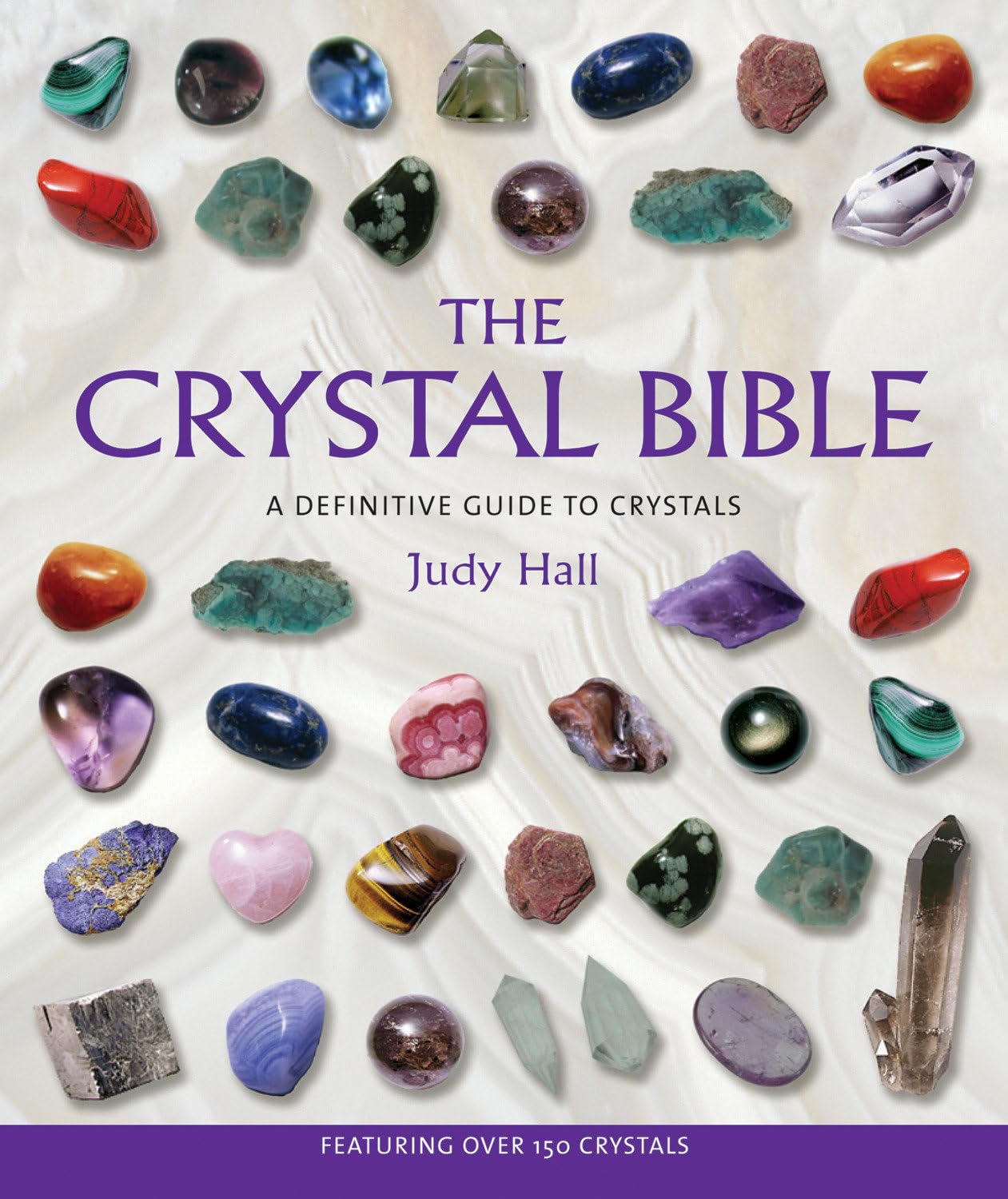
Crystals are often a first step into spiritual practice because they are tangible and accessible. They provide symbolic focus for qualities such as protection, calm, clarity, or courage.
Psychologically, holding a crystal while setting intention reinforces commitment. Mystically, many believe crystals carry vibrational qualities that support alignment. Whether viewed scientifically or spiritually, their power increases when paired with clarity of intention.
Modern witchcraft is evolving toward emotional maturity and personal accountability. It invites individuals to examine their patterns, refine their boundaries, and cultivate awareness.
Rather than dramatic imagery, today’s craft often looks quiet and intentional. A journal, a candle, a crystal, a moment of reflection. It becomes less about fantasy and more about disciplined inner work.